







Here’s Why Regular Brake Checks Are So Important
Your car’s brakes are fundamental to the overall safety of your driving experience.
It’s not always obvious when brakes start to fail, and, as a driver, you might only notice it when it’s already too late. A way to ensure you’re always on top of your vehicle’s brake performance is by carrying out regular checks. Bring your vehicle into our service department at Performance Chrysler Jeep Dodge Ram in Centerville for a thorough brake inspection.
How Often Should Your Brakes Get Checked?
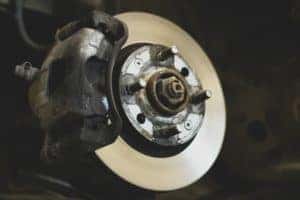
Regular checks help ensure your car’s brakes are in optimal shape. Brake pads last around 50,000 miles, but it’s important to check them out every 15,000 miles or six months, whichever comes first. The frequency of your checks will depend on several factors, so it’s important to consider how you use your vehicle.
Your Driving Style
If you’re driving average commutes in low-traffic situations, six months should be a reasonable timeframe to check your brakes. If you’re driving in traffic every day and you regularly have to brake hard or excessively, you may have to increase those checks to every three months.
How Often You Drive
You might think that only driving occasionally will reduce the need for frequent brake checks, but it’s important to know that brake pads can become brittle over time if they’re not used regularly. If you don’t need to drive anywhere for some time, take your car around the neighborhood once in a while to keep the brakes supple.
If you have no choice but to let your vehicle stand for long periods of time, it’s essential to check the brakes before you take it out on the road again. This may mean you need to remove the wheel to inspect the brake pad.
The Conditions You Live In
If you live in an area that experiences extreme weather conditions, you may want to check your brakes a little more regularly. For instance, freezing temperatures in Ohio winters may cause condensation to form in the brake fluid, which can affect the braking efficiency of the car. This is because moisture lubricates the brakes, whereas effective braking requires friction. It’s important to regularly change out the brake fluid in cold conditions to prevent this.
Hot conditions can also wear out brakes faster as they may become overheated. This can cause brake failure, especially if the pads are worn.
Signs You May Need to Change Your Car’s Brakes
When your vehicle is between services, it’s important to pay attention to your driving experience for any telltale signs that the car’s brakes might be on their way out.
The Brakes Are Noisy
While some noise is to be expected during very cold conditions, the noise should go away almost immediately when the brakes warm up. However, if the noise persists, it might indicate that the brake pads or shoes (often found in older cars) have worn down or are damaged. Your brake drum, which is situated in the rear wheels, also tends to make a grinding noise when it’s time for a replacement.
The Car Vibrates or Shudders During Braking
There shouldn’t be vibrations if you’re applying brakes when driving downhill, around bends, or at high speeds. If this happens, it’s important to check that the pads are still in good condition, as they may have become warped or bent through uneven wear, incorrect installation, or a lack of regular maintenance.
Braking Performance Is Affected
It’s essential to take note of the speed of braking. When you notice a change in the response time or something doesn’t feel quite right, such as the pressure on the brake pedal, it’s important to have it checked out. It might not always be the brake pads, shoes, or calipers that are faulty. The entire brake system is made up of many different parts, and any one of those parts could be the source of the problem.
The Brake Light Is On
There are sensors in the brake system, and when the brake light comes on, it can indicate one of several potential problems. These include low brake fluid levels, a faulty anti-lock braking system, or other issues. It’s important to have this checked out, even if it turns out it’s just a faulty sensor.
The Car Veers to One Side
When you apply the brakes and the vehicle veers to one side, it might indicate that one brake pad is more worn down than the other. If this is the case, they would both need to be replaced to ensure the new brakes wear down evenly.
Physical Signs of Worn Brakes
When your brake pads are worn through, it leads to metal-on-metal contact. You should be able to see this as the brakes will have scratches on the surface. You will also see less brake dust, which means less of the brake pad is grinding away.
How To Check Your Brakes
When you check the brake pads, ensure that there’s enough padding to create sufficient friction to bring the vehicle to a stop when you brake. Brake pads below 1/4-inch to 3/16-inch thickness need to be replaced. You can also check the discs; the worn rotor minimum thickness should be embossed on the disc, usually in millimeters. To check the brakes:
- Some vehicles offer enough of a view through the wheels to check the brakes. While it might not be as easy to get an accurate measurement of how much of the pad is still intact, you should be able to see if it’s worn through entirely. Some vehicles also offer brightly colored calipers, and if there’s anything wrong, you should be able to see it immediately.
- Another way to check the brake system is by removing the entire wheel. This will allow you a better view of all the brake components. If you know your way around cars, you should be able to spot whether the pads are worn through, whether the brake fluid distribution is good, or whether any of the components look compromised or faulty.
- Not everyone knows much about cars, but that doesn’t mean your brakes need to go unchecked. Simply book your vehicle in for a brake check with our qualified service center at Performance Chrysler Jeep Dodge Ram in Centerville.
Image Credits: Image by Benjamin Brunner is licensed with Unsplash License


0 comment(s) so far on Here’s Why Regular Brake Checks Are So Important