







How Often Should I Change My Tires?
It’s no secret that the condition of your car’s tires makes a huge difference in your vehicle’s performance and safety on the road. Well-maintained tires provide better traction and offer a better overall driving experience. They also significantly improve your car’s fuel economy.
Even so, it’s natural for tires to wear out and degenerate over time, necessitating replacement. So, how can you tell when it’s time to change your tires? Unfortunately, there is no foolproof answer to this question, as each situation is unique.
However, at Performance Chrysler Dodge Ram Jeep in Centerville, Ohio, we believe that routine tire service is vital to ensuring you get the best possible experience out of your vehicle. In this complete guide, we share everything you need to know about your tires, including when they need to be replaced.
Factors To Consider When Thinking About Changing Your Tires
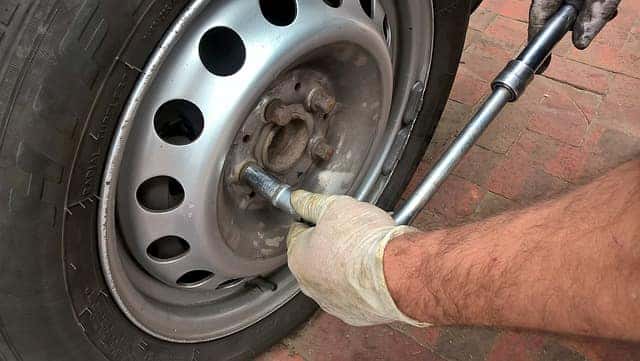
Image by Counselling is licensed with Pixabay License
As mentioned, there is no right time to change your tires, as each situation is different. However, several indicators can be valuable guides when determining whether or not to get the job done. These include:
Duration
Generally, most car experts recommend that you change your tires every five to six years. However, this is not set in stone and may vary depending on several factors. For instance, if you’re constantly driving, your tires will wear out much faster and require replacement sooner. On the other hand, if you don’t drive very often, you can extend the lifespan of your tires beyond the estimated time.
Similarly, if your car is new, you can count on them to serve you for up to six years before you need new ones. However, if you’ve bought a pre-owned car, you’ll likely need to replace the tires sooner.
Mileage
For most cars, tires last between 25,000 to 50,000 miles before needing replacement. However, this mileage rating can vary depending on your vehicle. To be safe, always refer to your car owners manual for specific recommendations. You can also check your car’s mileage on the dashboard to determine whether it has racked up enough mileage to necessitate tire replacements.
Tread Patterns
If your tires are starting to wear out, you may notice tire wear bars or tread wear indicators. These are small, elevated bars located within the grooves of your tires in between the tread markings. If your tire treads have worn down to the level of the tire wear bars, it means your tires are no longer safe to use and require urgent replacement.
One of the simplest ways to inspect the condition of your treads is to run your fingers over the tire wear bars. If the tire tread bars and treads feel even to the touch, this is a clear indication that your tires need replacing.
Testing
There are numerous tests out there to help car owners quickly determine whether their car tires need replacement. One of the most frequently used tests is the “quarter test.” To perform this test, put a quarter into the center of your tire tread with the head of the coin figure facing you. If the tire is new, the quarter should easily fit inside the tread, so you won’t be able to see the image of Washington’s head. If the head is wholly or partially visible, your tire treads are worn out and require replacement.
Signs You Need To Change Your Tires
While mileage, time, and measuring your treads can give you valuable insights into the condition of your tires, other more obvious signs will give you conclusive answers regarding the need to change them. These include:
Loss of Traction
If you notice your that your car is skidding or slipping on wet surface roads, the chances are that your low tire treads cannot channel water properly. Since tires often wear out unevenly, inspecting your tires might reveal that some treads have worn down too much, causing poor traction. It’s worth pointing out that losing traction can make it harder to steer your car, making it a serious safety hazard when driving. Therefore, if you’re experiencing this issue due to low tire treads, you must schedule a tire replacement as soon as possible.
Tires Won’t Hold Pressure
Some common types of tire damage, such as the presence of debris between the tire and the rim and damaged sidewalls, can make it harder for your tires to maintain their pressure. While some of these problems are simple to repair, more severe damage may make replacement necessary.
Presence of Bulges and Blisters
When a tire’s outer surface begins to weaken, it can lead to the appearance of bulges or blisters that extend outward. When pressure is applied to these weak spots, the tire might suddenly blow out, which poses a severe safety hazard in the middle of the highway. For this reason, it’s vital to book a tire replacement as soon as you notice these weak spots appearing on the surface of your tires.
Should I Replace All My Tires?
As you know, healthy tires are fundamental to the performance and handling of your vehicle and should be as even as possible. For this reason, we recommend that you replace all four at the same time, even if only one or two seem to need urgent replacement.
If you’re unable to replace all your tires at the same time and can only replace the ones requiring immediate attention, make sure the new tires are the same type as the ones currently on your vehicle. You should always buy tires in the same category as the ones you’re currently using.
Although tire replacements can be expensive, they are essential parts of car maintenance to improve your driving experience and ensure your safety on the road. If you’re looking to replace your tires, contact Performance Chrysler Jeep Dodge Ram Centerville today to schedule a service appointment. Our capable team of auto mechanics will conduct a thorough service inspection of your tires and match your vehicle with quality products to keep it performing at its best.


0 comment(s) so far on How Often Should I Change My Tires?