








Here’s the History of the Dodge Charger
The Dodge Charger is one of the most beloved and iconic American muscle cars. Our team here at Performance Chrysler Jeep Dodge Ram Centerville loves educating our customers on the histories of some of the best cars on our lot. That’s why we’ve put together this guide to the history of the Dodge Charger for your enjoyment.
Where It All Started
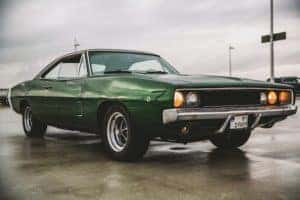
The very first Dodge Charger concept was developed in 1946, over 70 years ago. Dodge held onto the design for nearly 20 years before finally releasing the first model in 1966. The original design was inspired by high-speed street racing and featured full-width tail lamps and a fastback roof design. The 1966 Charger also offered two doors, convex grills, and hidden front headlamps.
Manufacturing History
After its initial car show debut in 1946 and subsequent market debut nearly 20 years later, the Charger gained so much popularity that just over 96,000 vehicles were produced to meet the demand when the second generation went into production. By the mid ’70s, the vehicles were being produced as personal luxury cars. There followed a brief production hiatus between 1978 and 1982, before Dodge returned with the fifth generation of the Charger. Then, once again, the Charger vanished from the car market, this time for nearly 20 years.
In 1999, a new concept for the Charger was created by Chrysler, but a merger meant that the 1999 model never saw production. By the time the vehicle re-entered the mainstream production market in 2005, Dodge had retained it as a truly modern counterpart to the classic automobile it once was. It has remained so to this day.
7 Generations of Excellence
There have been seven generations of the Dodge Charger vehicles between its 1966 debut and the present day. Here is a quick review of these models by generation:
First Generation
The first generation of the Dodge Charger included the models from 1966 through 1967. This design included a two-door fastback body and a 318 cubic inch (5.2L) V8 engine, with a three-speed manual and optional automatic transmission. Buyers at the time could also opt into a 426 cubic inch Hemi V8 engine for even more power.
Second Generation
The second generation spanned models from 1968 through 1970. These included some exterior updates, including a new grille design and rounded tail lights for additional style. A new trim level by the name of the Charger 500 also came onto the market, offering buyers a new and more aerodynamic shape.
Third Generation
The next generation of Dodge Chargers included models from 1971 through 1974. New features kept the models in line with new vehicle regulations of the time. It came in six trim levels and offered new design features like a ducktail spoiler and a split grille design. It also included new quarter window designs for the 1973 and 1974 models.
Fourth Generation
The years 1975 through 1978 saw the introduction and distribution of the fourth generation of Dodge Chargers. Unlike previous incarnations, this generation leaned away from the sports car branding and toward the personal luxury market. This generation featured an extremely square body shape and three different versions of a 400 cubic inch (6.6L) big block V8 engine.
Fifth Generation
The fifth generation of Dodge Chargers were produced from 1982 through 1987. The models featured a front-wheel drive hatchback coupe design and a 2.2L SOHC engine. Buyers craving more power could also opt into a turbocharged version of the engine with manual transmission. The electronics and engine options for the fifth generation received updates in each year of production.
Sixth Generation
The sixth generation saw the Dodge Charger’s return to the market in 2006 after a sustained absence, and this generation includes all models produced between 2006 and 2010. This new wave introduced 21st century buyers to this classic vehicle. The new design included four doors and an available V6 engine. It also offered all-wheel drive and came in six trim levels.
Seventh Generation
The seventh and final generation of the Charger began with the 2011 model and continues through the present day. For this generation’s debut, it received style design updates like slimmer headlights, a new grille style, and a sleeker body shape. It also included new side scoop design details for added style and modern LED tail lights around the trunk. The early models of the seventh generation featured a Pentastar 3.6L engine and a 5-speed automatic transmission.
The Dodge Charger Today
The modern day, 2023 Dodge Charger modernizes the vehicle’s rich history of sports and luxury into a snazzy sedan that is sure to turn heads on the highway. The modern exterior design features a bold grille and stylized design, with your choice of 10 different available wheel options. These include 20×11-inch carbon black aluminum and 20×9.5-inch brass monkey wheels. Exterior color options range from Frostbite blue to Go Mango orange. Inside, you’ll find sport suspension seats, premium Alpine speakers, and available heated Nappa leather-trimmed performance seats. You can also opt for a leather-wrapped performance steering wheel.
The 2023 Dodge offers up 797 hp with supercharged 6.2 HEMI high-output SRT V8 engine, making it one of the most powerful sedans on the market today. This engine generates 707 lb-ft of torque, rocketing it to a best-in-class certification in the muscle car subsegment. Drivers can also enjoy the latest in tech, with a 7-inch information display screen with Apple CarPlay and Android Auto compatibility for easy hands-free calling and audio management on the road. Other exciting safety features include automatic high-beam headlamps, a rear backup camera, Parksense rear park assist system, and an advanced brake assist.
We hope this brief history lesson has given you a new appreciation of both the classic Dodge Charger and its modern counterpart. If you want to own one yourself, we here at Performance Chrysler Jeep Dodge Ram Centerville are happy to help you find one. Those hoping to get behind the wheel of a 2023 model can check out our new vehicle inventory, while those looking for something a little more classic can review our available pre-owned cars for sale. If you have any questions, don’t hesitate to call us at (937) 519-3542 or contact us online and our knowledgeable team will be happy to help.
Image Credits: Dodge Charger US Muscle Car by Markus Spiske is licensed with Unsplash License


0 comment(s) so far on Here’s the History of the Dodge Charger